
What exactly is health? This seemingly straightforward question opens up a complex discussion about our understanding of well-being. Although health frequently appears in our everyday conversations, we often overlook its full meaning, clouded by our own assumptions and partial understandings. Do we truly know what it means to be healthy? Moreover, how can we measure this state – what indicators truly signify health beyond just an absence of symptoms?
Many of us mistakenly equate physical appearance with health, relying on Body Mass Index (BMI) as a convenient but often misleading marker of well-being. Although BMI is widely used in population studies to categorise body mass as a health issue, it is increasingly acknowledged as a poor indicator of body fat percentage. Additionally, BMI does not account for the distribution of fat across different parts of the body (Nuttall 2015). For instance, individuals who appear thin may actually be at a higher risk of disease due to fat deposits around vital organs (Thomas, Parkinson, et al. 2012; Thomas, Frost, et al. 2012). Conversely, there are "metabolically healthy obese" individuals who exhibit better health biomarkers than their thinner counterparts (Goossens 2017; Tsatsoulis & Paschou 2020). While better methods for measuring fat distribution at the comfort of your home do exist, they still fail to reveal whether you're depositing fat around your vital organs. This reality underscores the need to reassess our traditional health indicators and adopt more comprehensive methods that evaluate overall health and risk factors more accurately.
A clean bill of health cannot be presumed just because one lacks symptoms or has no history of serious illnesses, such as a severe case of the flu. For instance, in Alzheimer's disease, the initial biomarkers linked to the onset can be detected up to 18 years prior to diagnosis, and cognitive decline can be assessed six years before it is officially diagnosed (Jia et al. 2024). Similarly, in the case of cancer, tumours may start to develop about 10 years before they become detectable with current diagnostic tools (Das et al. 2023), and many cancer hallmarks are identifiable years before a formal diagnosis is made (Tenchov et al. 2024). Likewise, a range of non-motor symptoms often precede Parkinson's disease, including depression, anxiety, apathy, various sleep disorders, constipation, erectile dysfunction, urinary disturbances, visual disturbances, and pain (Van Laar & Jain 2004). Would you recognise these symptoms as signs of Parkinson's disease? As the number of people with chronic diseases continues to rise (WHO 2019), it becomes increasingly evident that avoiding such health challenges depends less on luck and more on proactive prevention and managing known risk factors
Additionally, who takes responsibility for our health – is it primarily up to us, or do our healthcare providers play a central role? This article will explore these questions, dissecting the definitions and dimensions of health, identifying who is responsible for its maintenance, and discussing how we can accurately assess our health status. By examining the contributions of society, medicine, and individual efforts to our well-being, we aim to clarify what being truly healthy means. Our journey begins with an examination of the dominant definitions of health, setting the stage to explore our roles in fostering and maintaining good health in a world where the boundaries of responsibility are often blurred.
The definition of health
The concept of "health" remains surprisingly contentious and difficult to define precisely, with numerous scholars presenting conflicting theories on its underlying principles over the years (Andrea 2018; Nordenfelt 2007; Saad & Prochaska 2020; Schramme 2007; Schroeder 2013; Täljedal 2004; Venkatapuram 2013; Wakefield 2014). Not surprisingly, even renowned dictionaries like Oxford, Merriam-Webster, and Dictionary.com do not agree on a common definition. In light of this disparity, our discussion begins with the definition from the World Health Organization's constitution, the most widely accepted definition of health:
Health is defined, not negatively or narrowly as the absence of disease or infirmity, but positively and broadly as "a state of complete physical, mental and social wellbeing", the enjoyment of which should be part of the rightful heritage of "every human being without distinction of race, religion, political belief, economic or social condition" (WHO 1948).
This vision of health, while beautiful and inspiring, has faced considerable criticism over the years, prompting calls for a revised definition. Stokes, Noren, and Shindell argue that the WHO's definition serves more as a slogan designed to prioritise health over disease. They propose a more comprehensive definition: "A state characterised by anatomic integrity; ability to perform personally valued family, work, and community roles; ability to deal with physical, biological, and social stress; a feeling of well-being; and freedom from the risk of disease and untimely death" (Stokes et al. 1982).
Sarraci contends that the WHO's definition aligns more closely with happiness than health, advocating for a definition that captures "a condition of wellbeing free of disease or infirmity and a basic and universal human right." He insists that this approach bridges the gap between the ideal and the measurable realities of health, such as mortality, morbidity, and quality of life (Saracci 1997).
Tulloch criticises the WHO's definition for its reliance on the vague concept of wellbeing to define health. He suggests a more dynamic definition, "capacity to make adaptations", which responds directly to environmental challenges (Tulloch 2005). Similarly, Oleribe and colleagues see the modern world as inherently unhealthy and recommend redefining health as "a satisfactory and acceptable state of physical (biological), mental (intellectual), emotional (psychological), economic (financial), and social (societal) wellbeing" (Oleribe et al. 2018).
The major criticism of the definition concerns the use of the word complete (Huber et al. 2011; Lancet 2009; Leonardi 2018). Critics argue that an ideal state characterised by flawless integration and balance of complete physical, mental, and social well-being, would classify most of us as unhealthy most of the time, potentially leading to the medicalisation of society (Huber et al. 2011; Leonardi 2018). Their proposals are broadly similar, and can be summarised as promoting "the ability to adapt and self-manage one's own well-being conditions".
Despite these critiques, the WHO has not amended its definition. Schramme defends the existing definition, providing robust evidence that it remains adequate. He argues that the definition supports two interpretations: a perfectionist view, envisaging a hypothetical, perfect state of well-being, and a holistic view, encompassing all relevant dimensions of well-being. The evidence he and Larsen have collected supports the latter as the intended interpretation by the WHO (Larsen 2022; Schramme 2023). Reinforcing this view, Saad and Prochaska describe the WHO's definition as "intuitive and even accessible to a wide audience" (Saad & Prochaska 2020).
Despite differences in their perspectives, our research indicates a consensus among the authors on several critical points:
- Health encompasses multiple dimensions – physical, mental and social.
- Health is not merely a state but an ongoing, iterative, and dynamic process.
- Health exists on a spectrum, with varying degrees and conditions.
- Health is determined by a range of factors including hereditary influences (such as genetics and epigenetics), environmental aspects (including physical, biological, social, and work environments), behavioural elements (like diet, exercise, sleep, smoking, alcohol consumption, drug use, and accident risk behaviour), and access to preventative, diagnostic, and therapeutic health services.
Overall, the WHO's definition seems both adequate and memorable. For those interested in a deeper exploration, we recommend consulting the cited references. The scope of our discussion prevents us from fully capturing the nuances of the original authors' arguments. It is our view that more attention needs to be directed towards assessing our health status more accurately and identifying potential health risks. How much of our health is determined by nature, and how much by nurture?
Nature and nurture
The latter half of the 20th century was a period of remarkable advancements in molecular biology, influenced heavily by the idea that our genes largely determine how our bodies function and how susceptible we are to diseases. Francis Crick introduced the "central dogma" of molecular biology (Crick 1970), which suggests that information within our cells flows in a specific direction – from DNA to RNA to proteins. This principle underpinned the understanding that genes are responsible for encoding proteins, which then dictate the structure and function of cells and ultimately influence the behaviour of whole organisms.
During this period, the concept of "one gene, one enzyme" hypothesis (Hickman & Cairns 2003; Horowitz 1985), proposed earlier by George Beadle and Edward Tatum, evolved into what is now referred to as "one gene, one polypeptide". This hypothesis posited that each gene directly corresponds to the production of a single enzyme, which later expanded to include all types of proteins. This concept was a foundation for the belief that by deciphering the genetic code, scientists could potentially target specific genes to treat diseases. This approach favoured a reductionist viewpoint, which sought to understand complex biological processes by dissecting them into simpler, more manageable components. Such a perspective dominated the field, as it promised a more straightforward pathway to unravel the complexities of biological systems and disease mechanisms.
This era also saw the rise of "genetic determinism" (de Jong 2000; Harden 2023; Resnik & Vorhaus 2006), a more extreme hypothesis suggesting that all aspects of human behaviour, personality, and physical traits could be directly traced back to genes. According to this view, our genetic makeup predetermined everything from our risk of disease to our intelligence and behaviour, often overlooking the significant role of environmental factors and individual experiences. Genetic determinism extended the application of molecular biology to the point where it sometimes oversimplified the complexity of human traits and illnesses, suggesting a near-absolute influence of genes. This perspective was later challenged by further scientific discoveries that demonstrated the multifaceted interactions between genes, their expressions, environmental influences, and epigenetic factors, which all contribute to the complexity of biological organisms and their behaviours.
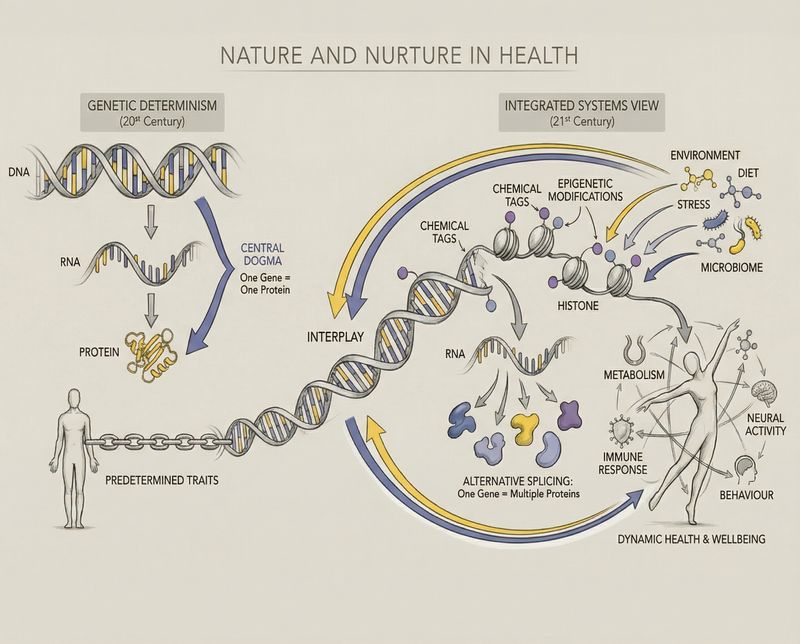
However, this view started to change around the early 2000s. The Human Genome Project, a massive scientific initiative, revealed that humans have around 24,000 genes – a number much smaller than the expected 50,000 to 100,000 (International Human Genome Sequencing Consortium 2004; Lander et al. 2001; Venter et al. 2001). The most recent database updates suggest that we have as few as 19,000 genes (Amaral et al. 2023). The invention of RNA-seq in 2008 brought another surprise: alternative splicing, alternative transcription initiation, and alternative transcription termination occur far more frequently than previously thought, possibly affecting up to 95% of human genes (Salzberg 2018). To put it simply, alternative splicing is like editing a movie scene in different ways to create multiple versions. In our cells, this means a single gene can produce multiple proteins by rearranging its parts. For example, one gene might produce a protein that helps muscles grow, but through alternative splicing, it might also produce a slightly different protein that helps repair muscle tissue. Alternative transcription initiation and termination are similar but occur at the start and end of the gene's reading process. Imagine reading a book where you can start at different chapters (initiation) or end at different chapters (termination) to create different stories. In our cells, this allows genes to be read and used in various ways, leading to a diversity of proteins from a single gene. Despite these surprises, the project successfully mapped the human genome, shifting the focus of molecular biology and encouraging a move from studying individual molecules to understanding complex systems of molecular interactions (Gibbs 2020; Kesić 2016).
As molecular biology evolved, so did our understanding of how our behaviours and environment can directly impact our genetic activity through epigenetics. Epigenetics explores changes in gene expression caused by mechanisms other than changes to the DNA sequence itself (Peixoto et al. 2020). Factors like diet (Sapienza & Issa 2016), stress (de Magalhães-Barbosa et al. 2022; Franzago et al. 2020), and exposure to pollutants (Nilsson et al. 2022) can modify the way our genes are expressed, which can affect our health and can even be passed on to future generations (Liberman et al. 2019). Epigenetic changes weave the delicate tapestry that connects nature to nurture (Tammen et al. 2013). Regular exercise, a balanced diet, managing stress, and engaging in positive social interactions can all lead to beneficial epigenetic modifications that enhance our wellbeing. Conversely, negative lifestyle choices can lead to changes that increase our risk of various diseases.
Recent research has also shed light on the intricate interactions between our microbiome – the vast community of microbes living in and on our bodies – and our genome and epigenetics. The microbiome interacts continuously with our genetic material, influencing gene expression through epigenetic mechanisms (Cuevas-Sierra et al. 2019; Riscuta et al. 2018; Shock et al. 2021). For instance, certain gut microbes can produce short-chain fatty acids (SCFAs) such as butyrate, acetate, and propionate from dietary fibres. These SCFAs can act on the cells lining the gut, influencing gene expression by modifying histones, the proteins around which DNA is wound (van der Hee & Wells 2021). This can turn genes on or off, affecting a wide range of bodily functions from how our immune system reacts to pathogens to our brain health and mood regulation.
The shift from a reductionist view in molecular biology to a more integrated systems biology approach has illuminated the intricate interplay between genetic and environmental factors in shaping biological functions. Systems biology challenges the older, simpler view by demonstrating that biological responses, such as development or reactions to mutations, depend on a network of interactions rather than a single gene or protein. For instance, while a gene like BRCA1 is linked to a higher risk of breast cancer, it is not merely the gene itself but its interactions with other biological processes that determine the outcome. This holistic approach extends to multiple levels of biological organisation – from DNA to entire ecosystems – highlighting that health and disease result from the complex interplay of genetics and the environment. Biological phenomena inherently involve dynamic events that include protein and metabolic kinetics and tissue geometry changes, underscoring the necessity of a systems biology perspective. This paradigm shift recognises that multiple levels – from gene sequences and molecular activities to cells, tissues, organisms, and the environment – are essential and interconnected in achieving outcomes from development to evolution (Bard 2013; Kesić 2016).
Building on this comprehensive understanding of the interconnectedness of biological systems, we can further explore what constitutes health itself.
The hallmarks of health
Understanding health necessitates a theoretical framework, and Carlos López-Otín and Guido Kroemer have contributed a compelling and well-supported theory, backed by robust evidence (López-Otín & Kroemer 2021, 2024). Within their framework, they outline essential biological characteristics, or "hallmarks", of healthy organisms (Figure 1). To be recognised a hallmark of health, a biological process must meet three criteria:
- It must always be present in the context of ongoing good health.
- Its disturbance or disruption must inevitably lead to health deterioration.
- Enhancing or restoring this process should actively maintain or improve health.
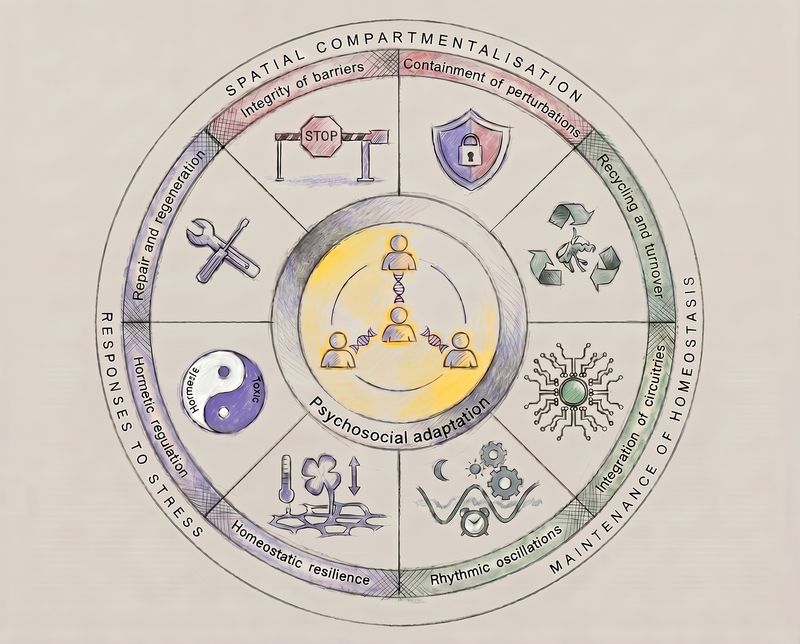
When applying these stringent criteria, López-Otín and Kroemer identify nine hallmarks of health. These include features such as spatial compartmentalisation, maintenance of homeostasis, adequate responses to stress, and psychosocial adaptation. These hallmarks span all nine biological strata of the human body: molecules, organelles, cells, supracellular units, organs, organ systems, systemic circuitries, the meta-organism, and psychosocial interactions (Figure 2). The value of these hallmarks is underscored not only by the current availability of tests that can assess them directly or through proxy markers but also by the prospect of more precise tests becoming accessible as costs drop in the near future. This evolving landscape indicates that a deeper understanding of these hallmarks will become increasingly beneficial for anyone looking to proactively manage their health. Let’s now examine each hallmark to fully appreciate their significance:
- Integrity of barriers: Organisms maintain health through the integrity of selective barriers, present at every level from subcellular components to entire bodily systems. These barriers control what enters and exits cells, and also support detoxification and communication across different compartments. For example, the inner mitochondrial membrane preserves the electrochemical gradient essential for energy production and regulates critical processes like apoptosis (controlled death of cells) by controlling mitochondrial membrane permeabilisation. Similarly, the blood-brain barrier protects the brain by preventing the build-up of neurotoxic substances, while permitting essential molecules to pass through a single, tightly regulated mechanism. Breaching these barriers can trigger a cascade of pathogenic events leading to DNA damage, genomic instability, cellular senescence, and uncontrolled cell death; all of which are linked to inflammatory responses, neurodegenerative diseases, and cancers.
- Containment of local perturbations: The human body is constantly exposed to numerous perturbations, including intrinsic cellular "accidents" during cell division, as well as external physical, chemical, and biological stresses. Localising these disturbances is key in preventing their systemic spread, which could result in irreversible damage. Containment involves a range of mechanisms, from cellular processes like the repair of nuclear and plasma membranes, to supracellular and tissue levels involving the rapid closure of epithelial gaps and the initiation of wound healing responses. Additionally, systemic immune reactions work to isolate and neutralise foreign threats like bacteria and viruses without causing widespread inflammation. However, when these mechanisms fail or become overactive, they can lead to uncontrolled infections, chronic diseases, excessive inflammation known as "inflammaging", autoimmune disorders, or even death due to systemic inflammation.
- Recycling and turnover: Human physiology constantly adjusts to cellular changes caused by internal factors like oxidative damage to proteins, lipids, and nucleic acids, and external stressors that speed up degeneration. To counteract this, cells must regularly recycle themselves through processes including regulated cell death, autophagy (the body's method for clearing out damaged cells), and other mechanisms. This ensures balanced turnover, which is crucial for maintaining health, reducing entropy, delaying ageing, and preventing age-related diseases. On the skin’s surface, for example, dead keratinocytes are shed and replaced by cells from the basal layer undergoing differentiation and keratinisation. Similarly, mucosal surface cells detach through processes like live-cell delamination or apoptosis, assisted by neighbouring cells. Internally, cells are removed through efferocytosis, where dying cells signal phagocytes (immune system's clean-up crew) to engulf them and release anti-inflammatory signals, preventing immune overreactions. Inadequate clearance can trigger inflammation or autoimmune responses. Maintaining this balance, especially in stem cells, is vital, as disruptions can lead to diseases such as cancer. Enhancing cellular turnover mechanisms like autophagy can extend health spans and reduce disease risk, with effective protein turnover playing a key role in preventing neurodegenerative diseases and offering therapeutic potential.
- Integration of circuities: Organisms are complex systems composed of elements ranging from molecules to organelles, all forming functional circuits to ensure stability over time. These elements engage in elaborate networks where metabolites serve as messengers, proteins exhibit multiple functions influenced by various modifications, and gene regulation results from interactions between epigenetic modifiers and transcription factors. Cells communicate internal stress externally, impacting systemic immune responses and metabolic adjustments. They also respond to external environmental changes by processing signals like temperature shifts and chemical cues through specific receptors and transport systems. Within tissues, cells such as macrophages and fibroblasts work together to maintain structural integrity. This integration of processes is clearly demonstrated by the way signals from the central nervous system orchestrate responses in peripheral organs, affecting hormonal regulation throughout the body. Disruptions in these intricate connections frequently lead to complex diseases, underscoring the need for interventions that target multiple systems simultaneously.
- Rhythmic oscillations: The maintenance of homeostasis in organisms critically relies on the precise coordination of molecular and cellular events that follow daily (circadian), shorter (ultradian), and longer (infradian) rhythms. Over half of human genes follow these rhythms, influencing essential physiological functions such as brain electrical activity, heart rate, and hormonal secretion, as well as cellular mechanisms like the cell cycle. At the centre of this regulatory system is the suprachiasmatic nucleus in the brain, which acts as the master clock, synchronising the body's internal clocks with environmental cycles. These internal clocks help regulate numerous biological functions such as stem cell activity, sleep and wakefulness, immune system efficiency, hair cycle, and metabolism, adapting them to the time of day. Lifestyle disruptions such as shift work or irregular sleep patterns are associated with increased risks of metabolic disorders, cardiovascular diseases, and cancer. This highlights the importance of strategies aimed at restoring and aligning our natural rhythms to mitigate these health risks.
- Homeostatic resilience: Homeostatic resilience is critical for maintaining key biological parameters such as blood pH, oxygen levels, blood pressure, and hormone concentrations. Known as "homeodynamics", this concept underscores the body's ability to achieve balance through complex interactions among neural, genetic, metabolic, immunological, and microbiome-based systems. Neural mechanisms regulate our "fight or flight" and "rest and digest" responses via neurotransmitters and hormonal pathways, while genetic variations influence our stress handling, potentially impacting mental health. Additionally, metabolic hormones like catecholamines and glucocorticoids mobilise energy in response to stress, but chronic stress may disrupt this balance, adversely affecting the immune system and increasing disease risk. The gut microbiota also significantly impacts immune and metabolic functions, enhancing resilience against stress through the microbiota-gut-brain axis. By maintaining homeostatic resilience through the integration of these biological systems, organisms can better adapt to and manage internal and external stressors, thus preventing a range of health complications with effective lifestyle and therapeutic measures.
- Hormetic regulation: Hormesis is a biological phenomenon where low doses of toxins or stressors elicit a protective response, thereby enhancing an organism's resilience to higher doses of those same stressors. This adaptation, driven by agents known as hormetins – including chemical, physical, pharmacological, and nutritional stressors – is vital for maintaining homeostasis and increasing biological adaptability. For instance, mitohormesis involves transient increases in mitochondrial reactive oxygen species which initiate beneficial cellular adaptations that guard against damage, as demonstrated by the cardiac preconditioning effect and neuronal protection. These responses can be induced by exercise, caloric restriction, and certain dietary choices, activating genes and pathways that promote longevity and the healthspan – the period of life spent in good health. Over time, however, the efficiency of hormetic preconditioning pathways declines, diminishing the organism’s ability to adapt to internal and external stressors as it ages. This decline emphasises the importance of hormesis in health maintenance, as its influence extends beyond immediate protective mechanisms to support long-term resilience and delay the progression of age-related diseases.
- Repair and regeneration: Organismal health relies on sophisticated repair and regeneration mechanisms that target specific types of damage. Cellular systems are equipped with highly specific signalling networks that detect and counteract damage across all bodily levels. A robust DNA damage response system manages genotoxic stress from both internal and external sources to prevent chronic diseases and ageing. When damage is beyond repair, mechanisms like the TP53 protein induce cell death to maintain cellular stability. Protein homeostasis, or proteostasis, is managed by systems that refold or degrade damaged proteins, indispensable for preventing neurodegenerative diseases. Additionally, the endoplasmic reticulum stress response handles unfolded proteins, while mitochondrial and lysosomal stress responses tackle organelle-specific damage, ensuring overall cellular health. At the tissue level, regeneration is reliant on stem and progenitor cells. Although these cells have reduced capacity in adults, they are pivotal to regenerative medicine, including the use of induced pluripotent stem cells for tissue repair and the development of transplantable organs. Altogether, this extensive network of repair, regeneration, and reprogramming functions forms the foundation of an organism's resilience and renewal capacity, illustrating the intricate interplay of genetic, molecular, and cellular mechanisms that sustain health and counteract the cumulative effects of stress and damage.
- Psychosocial adaptation: Psychosocial adaptation reflects the dynamic interaction between an individual and their social and economic environments, necessitating continuous adjustments to optimise personal and collective well-being. These adaptations are imperative for managing social challenges, competing for resources, and achieving collective goals, all while making informed decisions. This capacity is shaped by both genetic and non-genetic factors, as demonstrated by twin studies and research on inbred mice, which reveal variations in susceptibility to mental health disorders. Maladaptive responses can diminish well-being and lead to socio-economic difficulties, particularly under conditions of collective distress. Furthermore, social stress and perceived isolation correlate with increased incidences of both mental and physical disorders, whereas strong social integration is linked with lower health risks. A decline in psychosocial adaptation often parallels deteriorations in physical health, highlighting the bidirectional influence between these domains. Emerging evidence indicates that enhancing psychosocial adaptation through targeted interventions can significantly improve health outcomes, emphasising the need for integrated approaches to mental and physical health care. As our motto aptly puts it: Healthy body, healthy mind.
Disruptions across various biological levels, from molecules to meta-organisms, significantly impact health. Typically, the loss of health triggers a domino-like cascade, where one significant health event precipitates further deterioration across multiple dimensions. To illustrate how deep and varied these impacts can be, consider the following detailed example:
Normal epithelial stem cells maintain plasma membrane integrity (H1), repair or replace cells at damaged barriers (H2), continuously renew themselves (H3), integrate into larger functional units (H4), respond to circadian rhythms (H5), and support wound healing through homeostatic and hormetic mechanisms (H6-H8). In contrast, senescent cells lose nuclear envelope integrity (H1), transmit their dysfunctional phenotype to neighbouring cells (H2), cease to renew due to cell cycle blocks (H3), lose functional integration (H4), ignore circadian signals (H5), promote inflammation (H6), exceed hormetic limits (H7), and cannot participate in tissue regeneration (H8). Similarly, malignant cells compromise epithelial barriers (H1), evade immunosurveillance (H2), proliferate excessively (H3), disrupt system-wide circuitries (H4), alter circadian rhythms (H5), and resist therapeutic challenges by homeostatic, hormetic, and regenerative pathways (H6-H8). Moreover, chronic psychosocial stress impacts psychosocial-biological interconnectivity (H9) and exacerbates these cellular dysfunctions. This stress leads to conditions such as leaky gut, where compromised gut barriers allow toxins to induce systemic inflammation, affecting both physical and mental health. The resulting systemic inflammation can also increase anxiety and depression, creating a feedback loop where psychological distress further deteriorates gut health and exacerbates the cycle of mental and physical ailments.
In their insightful paper, "A philosophy of health: Life as reality" (Saad & Prochaska 2020), Saad and Prochaska present five principles of health that dovetail perfectly with the "Hallmarks of health" theory:
- Health is the maintainable-ease of functioning.
- Maintainable-ease of functioning emerges from multiple levels.
- At each level, maintainable-ease of functioning is generated by systems.
- Each system employs two functions, precision-and-variation, that generate maintainable-ease of functioning.
- Health is valued by a system if precision-and-variation generate maintainable-ease of functioning.
It is therefore not surprising that the hallmarks of ageing (López-Otín, Blasco, et al. 2023; López-Otín, Pietrocola, et al. 2023; Schmauck-Medina et al. 2022), cancer (Hanahan & Weinberg 2011; López-Otín, Pietrocola, et al. 2023; Tufail et al. 2024), cardiovascular disease (Abdellatif et al. 2023), neurodegeneration diseases (Wilson et al. 2023), chronic obstructive pulmonary disease and idiopathic pulmonary fibrosis (Meiners et al. 2015), as well as endometriosis (Psilopatis et al. 2024), all trace back to disruptions in the biological processes identified by López-Otín and Kroemer. With a clearer understanding of what constitutes health and the fundamental drivers behind it, we are now poised to address an intriguing conundrum: Who is responsible for maintaining health? This leads us into our final discussion on the role of individual agency in health management.
You are in control
As life expectancy continues to rise (GBD 2019 Diseases and Injuries Collaborators 2020; GBD 2021 Diseases and Injuries Collaborators 2024), even with setbacks from COVID-19 (GBD 2021 Causes of Death Collaborators 2024; Schumacher et al. 2024), and the maximum potential age for humans increases (Dong et al. 2016; Lenart & Vaupel 2017; Pyrkov et al. 2021; Rozing et al. 2017), we must not become complacent. While technological advances allow us to explore how we age, with many health-conscious individuals achieving biological ages significantly younger than their chronological ages, the rise in non-communicable diseases remains a major concern. Non-communicable diseases, driven by population growth, ageing, and lifestyle factors, now contribute the highest burden worldwide. For instance, diabetes has shown the most rapid growth among health issues from 2010 to 2021 (GBD 2019 Diseases and Injuries Collaborators 2020; GBD 2021 Diseases and Injuries Collaborators 2024). Neurological diseases, affecting 3.40 billion individuals, have seen an 18.2% increase in their overall impact on health from 1990 to 2021, despite a 33.6% decline in death rates during the same period (Steinmetz et al. 2024). Furthermore, cancer remains a growing concern, with 20 million new cases in 2022 and a projected 77% increase in cases by 2050 (Bray et al. 2024). Ageing populations are largely the reason, however more young people are being impacted. Diseases in old age are not a given, as research in centenarians continues to show (Andersen et al. 2012; Evert et al. 2003), with evidence confirming that the hallmarks of health contribute to their longevity (Franceschi et al. 2018; Frankowska et al. 2023; Johansen et al. 2023; Pang et al. 2023). These demographic shifts underscore the urgent need for investment in health and highlight the importance of taking proactive steps now to improve and maintain quality of life as we age.
In managing chronic conditions, physicians often prioritise symptom relief over addressing root causes of health. This approach, though critical in acute scenarios, can lead to an over-reliance on medication – a practice known as polypharmacy. Over time, polypharmacy can have serious consequences: taking five or more medications is associated with a 28-31% increased risk of death, while excessive polypharmacy (ten or more medications) is linked to a 44-96% increase in mortality and a 50% higher risk of hospitalisation in older adults (Leelakanok et al. 2017; Li et al. 2022). Polypharmacy increases the risk of dementia (Leelakanok & D’Cunha 2019), (Palapinyo et al. 2021), and malnutrition (Kok et al. 2022), reduces physical function (Katsimpris et al. 2019), and contributes to drug-related problems in hospitalised patients with type 2 diabetes (Awang Jihadi et al. 2023), among other issues. Despite these risks, polypharmacy remains common, with a prevalence rate of 37% globally, and higher rates among older adults, hospitalised patients, and frail individuals (Kim et al. 2024). This tendency in allopathic medicine to treat symptoms rather than build underlying resilience highlights the need for a more proactive, integrative approach to health.
Furthermore, findings from the "Global burden of disease" studies indicate that with an ageing population, countries must invest more to increase capacity and prepare for the growing strain on health services (GBD 2019 Diseases and Injuries Collaborators 2020; GBD 2021 Diseases and Injuries Collaborators 2024). In light of the COVID-19 aftermath, how many of you are confident that timely investments will be made? Given everything we've discussed so far, we remain somewhat sceptical. Antimicrobial resistance, which claimed 4.9 million lives in 2019 (Antimicrobial Resistance Collaborators 2022), is rising steadily and will further burden health services, compounding the challenges they already confront. On the positive side, there is much you can do to give yourself the chance of enjoying your twilight years as much as your youth, instead of taking the "easy" path of traditional health care, which often leads to a gradually worsening quality of life over time. Medicine is in transition. Conventional biomedicine is giving way to an expanded, integrative medical model that emphasises healthcare as well as illness care, treats people not just diseases, and incorporates multiple therapeutic approaches, old and new, to offer patients greater choice (Maizes et al. 2009).
Taking control of our health requires not just awareness of these limitations but active engagement with lifestyle practices that strengthen the hallmarks of health. Through preventive care and daily choices, we have the power to manage our well-being proactively. Our actions – prioritising nutrient-dense foods (Dominguez et al. 2022; Hu 2024), moving our bodies (Qiu et al. 2023), sleeping well (Sella et al. 2023), the thoughts we nurture (Lipton 2015; Ray 2004), and engaging in meaningful social interactions (Ehsan et al. 2019; Lian et al. 2019) – directly influence gene expression, activating beneficial pathways that foster biological vitality, support longevity, and promote optimal functioning across the body. Integrating hormetins – such as sauna (Hussain & Cohen 2018; Laukkanen et al. 2018; Patrick & Johnson 2021), cold-water immersion (Espeland et al. 2022; López-Ojeda & Hurley 2024), or caloric restriction (Caristia et al. 2020; Kirkham et al. 2021; Siles-Guerrero et al. 2024), to name but a few – into our routines can further stimulate adaptive mechanisms, building long-term resilience and adaptability.
Accessible genetic testing adds another layer of empowerment by revealing individual vulnerabilities, allowing us to focus on reinforcing the specific hallmarks of health most relevant to our needs. Furthermore, the increasing availability of biomarkers through wearables and at-home tests – tracking everything from heart rate variability to blood glucose and sleep quality – provides us with real-time feedback, enabling more informed and immediate adjustments to our lifestyle. Embracing these lifestyle strategies doesn’t just maintain health – it actively cultivates it, shifting the focus from treating illness to building and preserving vitality. By taking small, consistent steps each day, we strengthen our body’s natural defences and enhance its capacity for self-healing, ultimately leading to a life where we’re not merely free from disease but truly thriving.
Society's obsession with a pill for every ill unfortunately excludes many healing and preventive modalities from mainstream discourse. Worse still, health information from authorities and the news – even on common topics like nutrition and exercise – is often oversimplified to the point of being misleading. Compounding the problem, a considerable amount of scientific research is of questionable methodological quality, and many who attempt to interpret its results lack the expertise to accurately assess its merits. This is what happens when science and politics mix. This frustration with oversimplification, distortion, and suppression of evidence is why we started this website. We are dedicated to empowering individuals with unbiased, comprehensive insights into health and wellness, enabling them to make informed decisions and take control of their health journey. It is best to explain what we mean by briefly going through an example that everyone should be somewhat familiar with before we wrap up.
Embracing your unique health journey
More than fifty essential nutrients are required for growth, cellular maintenance, and repair, and the majority of these must be sourced from our diet (Krause et al. 2004; Marriott et al. 2020). Many individuals believe their dietary intake adequately covers these essential nutrients, even though evidence frequently suggests otherwise (WHO 2006). This oversight is understandable, considering the complexity of these nutrients; indeed, few people can confidently enumerate these indispensable nutrients or the foods that provide them in adequate amounts. What does "adequate" even mean, especially when you consider the bioavailability of food compounds? Recommended Dietary Allowances (RDAs) are established using population data averages to ensure that nutrient levels are sufficient to prevent clinically significant deficiencies in 97.5% of the population. Yet, individual responses to following these RDAs can vary due to the unique interplay of genetic factors and environmental influences (van Ommen et al. 2017). Your microbiome also greatly affects your metabolic response to food (Berry et al. 2020). Is that "healthy" food you're eating nourishing your body, or is it increasing your glycemic load? Additionally, research has shown that the body employs a triage rationing mechanism during nutrient scarcity, prioritising critical functions for immediate survival at the expense of long-term health. So while you may think you're on top of things, your body might just be making tough decisions without your knowing (Ames 2006, 2018).
The advice to follow a 'balanced diet' or to 'consume in moderation' is well-intentioned but may fall short in addressing the reality that nutritional deficiencies remain widespread, even in the developed world (Dötsch-Klerk et al. 2023; Eggersdorfer et al. 2018; Troesch 2017). These generalised mantras can miss the mark, failing to account for our unique and sometimes greater-than-expected nutrient needs. Real dietary advice should empower individuals to understand and adjust to their specific nutritional demands (Ames 2022; Mullins et al. 2020), helping them optimise health and wellbeing rather than following vague, one-size-fits-all recommendations.
Of course, eating whole foods, including more fruits and vegetables, and choosing ingredients you can name is unquestionably good advice. But without an understanding of the complexity of nutrition and the unique requirements of your body, even this advice can be limiting. Fortunately, there are now abundant resources and professionals who can help you test, verify, and tailor a diet to meet your specific needs. Personalised nutrition is more accessible than ever, allowing you to optimise your health based on real data and expert guidance (Jinnette et al. 2021; Shyam et al. 2022).
This tendency for oversimplification is, unfortunately, quite common. While exercise has been shown to sustain all of the hallmarks of health, the type, timing, and amount are crucial factors (Qiu et al. 2023). For example, vigorous endurance training for 60 minutes at 70% capacity leads to leaky gut (Clark & Mach 2016; Ribeiro et al. 2021) – the same condition we mentioned when discussing the breakdown in the hallmarks of health. Marathons, ultra-marathons, Ironman triathlons, and long-distance bicycle racing are not suitable for everyone, as they can lead to cardiovascular complications (La Gerche et al. 2022; Patil et al. 2012). For many of us, achieving the muscle mass of someone like Arnold Schwarzenegger is unattainable, no matter how many hours we spend in the gym, due to our genetics (Schoenfeld 2021).
The key takeaway is this: both genetics and epigenetics fundamentally determine our health outcomes. As our understanding of the hallmarks of health advances rapidly, we gain the ability to measure and optimise them more effectively. This progress empowers us to take control of our health by making informed decisions. To quote Bruce Lipton, "You are personally responsible for everything in your life, once you become aware that you are personally responsible for everything in your life" (Lipton 2015). Now that you’ve expanded your understanding of health, taking a simpler view robs you of reaching your full potential. Why settle for average when extraordinary might be within your reach? We wish you the best of luck on your health journey.
References
Show moreShow less
Abdellatif, M., Rainer, P. P., Sedej, S., & Kroemer, G. (2023). Hallmarks of cardiovascular ageing. Nat Rev Cardiol, 20(11), 754–777. https://doi.org/10.1038/s41569-023-00881-3
Amaral, P., Carbonell-Sala, S., De La Vega, F. M., Faial, T., Frankish, A., Gingeras, T., Guigo, R., Harrow, J. L., Hatzigeorgiou, A. G., Johnson, R., Murphy, T. D., Pertea, M., Pruitt, K. D., Pujar, S., Takahashi, H., Ulitsky, I., Varabyou, A., Wells, C. A., Yandell, M., … Salzberg, S. L. (2023). The status of the human gene catalogue. Nature, 622(7981), 41–47. https://doi.org/10.1038/s41586-023-06490-x
Ames, B. N. (2006). Low micronutrient intake may accelerate the degenerative diseases of aging through allocation of scarce micronutrients by triage. Proc Natl Acad Sci U S A, 103(47), 17589–17594. https://doi.org/10.1073/pnas.0608757103
Ames, B. N. (2018). Prolonging healthy aging: Longevity vitamins and proteins. Proc Natl Acad Sci U S A, 115(43), 10836–10844. https://doi.org/10.1073/pnas.1809045115
Ames, B. N. (2022). Musings in the twilight of my career. Free Radic Biol Med, 178, 219–225. https://doi.org/10.1016/j.freeradbiomed.2021.11.038
Andersen, S. L., Sebastiani, P., Dworkis, D. A., Feldman, L., & Perls, T. T. (2012). Health span approximates life span among many supercentenarians: Compression of morbidity at the approximate limit of life span. J Gerontol A Biol Sci Med Sci, 67(4), 395–405. https://doi.org/10.1093/gerona/glr223
Andrea, A. C. (2018). Historical evolution of the concept of health in Western medicine. Acta Biomed, 89(3), 352. https://doi.org/10.23750/abm.v89i3.6739
Antimicrobial Resistance Collaborators. (2022). Global burden of bacterial antimicrobial resistance in 2019: A systematic analysis. Lancet, 399(10325), 629–655. https://doi.org/10.1016/S0140-6736(21)02724-0
Awang Jihadi, M. H., Yuda, A., Sukorini, A. I., Hermansyah, A., Shafqat, N., Tan, C. S., & Ming, L. C. (2023). Drug-related problems in hospitalized patients with type 2 diabetes mellitus: A systematic review. Explor Res Clin Soc Pharm, 12, 100348. https://doi.org/10.1016/j.rcsop.2023.100348
Bard, J. (2013). Systems biology - the broader perspective. Cells, 2(2), 414–431. https://doi.org/10.3390/cells2020414
Berry, S. E., Valdes, A. M., Drew, D. A., Asnicar, F., Mazidi, M., Wolf, J., Capdevila, J., Hadjigeorgiou, G., Davies, R., Al Khatib, H., Bonnett, C., Ganesh, S., Bakker, E., Hart, D., Mangino, M., Merino, J., Linenberg, I., Wyatt, P., Ordovas, J. M., … Spector, T. D. (2020). Human postprandial responses to food and potential for precision nutrition. Nat Med, 26(6, 6), 964–973. https://doi.org/10.1038/s41591-020-0934-0
Bray, F., Laversanne, M., Sung, H., Ferlay, J., Siegel, R. L., Soerjomataram, I., & Jemal, A. (2024). Global cancer statistics 2022: GLOBOCAN estimates of incidence and mortality worldwide for 36 cancers in 185 countries. CA: Cancer J Clin, 74(3), 229–263. https://doi.org/10.3322/caac.21834
Caristia, S., De Vito, M., Sarro, A., Leone, A., Pecere, A., Zibetti, A., Filigheddu, N., Zeppegno, P., Prodam, F., Faggiano, F., & Marzullo, P. (2020). Is caloric restriction associated with better healthy aging outcomes? A systematic review and meta-analysis of randomized controlled trials. Nutrients, 12(8, 8), 2290. https://doi.org/10.3390/nu12082290
Clark, A., & Mach, N. (2016). Exercise-induced stress behavior, gut-microbiota-brain axis and diet: A systematic review for athletes. J Int Soc Sports Nutr, 13, 43. https://doi.org/10.1186/s12970-016-0155-6
Crick, F. (1970). Central dogma of molecular biology. Nature, 227(5258), 561–563. https://doi.org/10.1038/227561a0
Cuevas-Sierra, A., Ramos-Lopez, O., Riezu-Boj, J. I., Milagro, F. I., & Martinez, J. A. (2019). Diet, gut microbiota, and obesity: Links with host genetics and epigenetics and potential applications. Adv Nutr, 10, S17–S30. https://doi.org/10.1093/advances/nmy078
Das, S., Dey, M. K., Devireddy, R., & Gartia, M. R. (2023). Biomarkers in cancer detection, diagnosis, and prognosis. Sensors (Basel), 24(1), 37. https://doi.org/10.3390/s24010037
de Jong, H. L. (2000). Genetic determinism: How not to interpret behavioral genetics. Theory Psychol, 10(5), 615–637. https://doi.org/10.1177/0959354300105003
de Magalhães-Barbosa, M. C., Prata-Barbosa, A., & da Cunha, A. J. L. A. (2022). Toxic stress, epigenetics and child development. J Pediatr (Rio J), 98 Suppl 1, S13–S18. https://doi.org/10.1016/j.jped.2021.09.007
Dominguez, L. J., Veronese, N., Baiamonte, E., Guarrera, M., Parisi, A., Ruffolo, C., Tagliaferri, F., & Barbagallo, M. (2022). Healthy aging and dietary patterns. Nutrients, 14(4, 4), 889. https://doi.org/10.3390/nu14040889
Dong, X., Milholland, B., & Vijg, J. (2016). Evidence for a limit to human lifespan. Nature, 538(7624), 257–259. https://doi.org/10.1038/nature19793
Dötsch-Klerk, M., Bruins, M. J., Detzel, P., Martikainen, J., Nergiz-Unal, R., Roodenburg, A. J. C., & Pekcan, A. G. (2023). Modelling health and economic impact of nutrition interventions: A systematic review. Eur J Clin Nutr, 77(4), 413–426. https://doi.org/10.1038/s41430-022-01199-y
Eggersdorfer, M., Akobundu, U., Bailey, R. L., Shlisky, J., Beaudreault, A. R., Bergeron, G., Blancato, R. B., Blumberg, J. B., Bourassa, M. W., Gomes, F., Jensen, G., Johnson, M. A., Mackay, D., Marshall, K., Meydani, S. N., & Tucker, K. L. (2018). Hidden hunger: Solutions for America’s aging populations. Nutrients, 10(9), 1210. https://doi.org/10.3390/nu10091210
Ehsan, A., Klaas, H. S., Bastianen, A., & Spini, D. (2019). Social capital and health: A systematic review of systematic reviews. SSM Popul Health, 8, 100425. https://doi.org/10.1016/j.ssmph.2019.100425
Espeland, D., de Weerd, L., & Mercer, J. B. (2022). Health effects of voluntary exposure to cold water – a continuing subject of debate. J Circumpola Health, 81(1), 2111789. https://doi.org/10.1080/22423982.2022.2111789
Evert, J., Lawler, E., Bogan, H., & Perls, T. (2003). Morbidity profiles of centenarians: Survivors, delayers, and escapers. J Gerontol A Biol Sci Med Sci, 58(3), 232–237. https://doi.org/10.1093/gerona/58.3.m232
Franceschi, C., Ostan, R., & Santoro, A. (2018). Nutrition and inflammation: Are centenarians similar to individuals on calorie-restricted diets? Annu Rev Nutr, 38, 329–356. https://doi.org/10.1146/annurev-nutr-082117-051637
Frankowska, N., Bryl, E., Fulop, T., & Witkowski, J. M. (2023). Longevity, centenarians and modified cellular proteodynamics. Int J Mol Sci, 24(3), 2888. https://doi.org/10.3390/ijms24032888
Franzago, M., Santurbano, D., Vitacolonna, E., & Stuppia, L. (2020). Genes and diet in the prevention of chronic diseases in future generations. Int J Mol Sci, 21(7), 2633. https://doi.org/10.3390/ijms21072633
GBD 2019 Diseases and Injuries Collaborators. (2020). Global burden of 369 diseases and injuries in 204 countries and territories, 1990-2019: A systematic analysis for the Global Burden of Disease Study 2019. Lancet, 396(10258), 1204–1222. https://doi.org/10.1016/S0140-6736(20)30925-9
GBD 2021 Causes of Death Collaborators. (2024). Global burden of 288 causes of death and life expectancy decomposition in 204 countries and territories and 811 subnational locations, 1990-2021: A systematic analysis for the Global Burden of Disease Study 2021. Lancet, 403(10440), 2100–2132. https://doi.org/10.1016/S0140-6736(24)00367-2
GBD 2021 Diseases and Injuries Collaborators. (2024). Global incidence, prevalence, years lived with disability (YLDs), disability-adjusted life-years (DALYs), and healthy life expectancy (HALE) for 371 diseases and injuries in 204 countries and territories and 811 subnational locations, 1990-2021: A systematic analysis for the Global Burden of Disease Study 2021. Lancet, Global Burden of Diseases, Injuries, and Risk Factors Study, 403(10440), 2133–2161. https://doi.org/10.1016/S0140-6736(24)00757-8
Gibbs, R. A. (2020). The Human Genome Project changed everything. Nat Rev Genet, 21(10), 575–576. https://doi.org/10.1038/s41576-020-0275-3
Goossens, G. H. (2017). The metabolic phenotype in obesity: Fat mass, body fat distribution, and adipose tissue function. Obes Facts, 10(3), 207–215. https://doi.org/10.1159/000471488
Hanahan, D., & Weinberg, R. A. (2011). Hallmarks of cancer: The next generation. Cell, 144(5), 646–674. https://doi.org/10.1016/j.cell.2011.02.013
Harden, K. P. (2023). Genetic determinism, essentialism and reductionism: Semantic clarity for contested science. Nat Rev Genet, 24(3), 197–204. https://doi.org/10.1038/s41576-022-00537-x
Hickman, M., & Cairns, J. (2003). The centenary of the one-gene one-enzyme hypothesis. Genetics, 163(3), 839–841. https://doi.org/10.1093/genetics/163.3.839
Horowitz, N. H. (1985). The origins of molecular genetics: One gene, one enzyme. Bioessays, 3(1), 37–39. https://doi.org/10.1002/bies.950030110
Hu, F. B. (2024). Diet strategies for promoting healthy aging and longevity: An epidemiological perspective. J Intern Med, 295(4), 508–531. https://doi.org/10.1111/joim.13728
Huber, M., Knottnerus, J. A., Green, L., Horst, H. van der, Jadad, A. R., Kromhout, D., Leonard, B., Lorig, K., Loureiro, M. I., Meer, J. W. M. van der, Schnabel, P., Smith, R., Weel, C. van, & Smid, H. (2011). How should we define health? BMJ, 343, d4163. https://doi.org/10.1136/bmj.d4163
Hussain, J., & Cohen, M. (2018). Clinical effects of regular dry sauna bathing: A systematic review. Evid Based Complement Alternat Med, 2018(1), 1857413. https://doi.org/10.1155/2018/1857413
International Human Genome Sequencing Consortium. (2004). Finishing the euchromatic sequence of the human genome. Nature, 431(7011), 931–945. https://doi.org/10.1038/nature03001
Jia, J., Ning, Y., Chen, M., Wang, S., Yang, H., Li, F., Ding, J., Li, Y., Zhao, B., Lyu, J., Yang, S., Yan, X., Wang, Y., Qin, W., Wang, Q., Li, Y., Zhang, J., Liang, F., Liao, Z., & Wang, S. (2024). Biomarker changes during 20 years preceding Alzheimer’s disease. N Engl J Med, 390(8), 712–722. https://doi.org/10.1056/NEJMoa2310168
Jinnette, R., Narita, A., Manning, B., McNaughton, S. A., Mathers, J. C., & Livingstone, K. M. (2021). Does personalized nutrition advice improve dietary intake in healthy adults? A systematic review of randomized controlled trials. Adv Nutr, 12(3), 657–669. https://doi.org/10.1093/advances/nmaa144
Johansen, J., Atarashi, K., Arai, Y., Hirose, N., Sørensen, S. J., Vatanen, T., Knip, M., Honda, K., Xavier, R. J., Rasmussen, S., & Plichta, D. R. (2023). Centenarians have a diverse gut virome with the potential to modulate metabolism and promote healthy lifespan. Nat Microbiol, 8(6), 1064–1078. https://doi.org/10.1038/s41564-023-01370-6
Katsimpris, A., Linseisen, J., Meisinger, C., & Volaklis, K. (2019). The association between polypharmacy and physical function in older adults: A systematic review. J Gen Intern Med, 34(9), 1865–1873. https://doi.org/10.1007/s11606-019-05106-3
Kesić, S. (2016). Systems biology, emergence and antireductionism. Saudi J Biol Sci, 23(5), 584–591. https://doi.org/10.1016/j.sjbs.2015.06.015
Kim, S., Lee, H., Park, J., Kang, J., Rahmati, M., Rhee, S. Y., & Yon, D. K. (2024). Global and regional prevalence of polypharmacy and related factors, 1997-2022: An umbrella review. Arch Gerontol Geriatr, 124, 105465. https://doi.org/10.1016/j.archger.2024.105465
Kirkham, A. A., Beka, V., & Prado, C. M. (2021). The effect of caloric restriction on blood pressure and cardiovascular function: A systematic review and meta-analysis of randomized controlled trials. Clinical Nutrition, 40(3), 728–739. https://doi.org/10.1016/j.clnu.2020.06.029
Kok, W. E., Haverkort, E. B., Algra, Y. A., Mollema, J., Hollaar, V. R. Y., Naumann, E., de van der Schueren, M. a. E., & Jerković-Ćosić, K. (2022). The association between polypharmacy and malnutrition(risk) in older people: A systematic review. Clin Nutr ESPEN, 49, 163–171. https://doi.org/10.1016/j.clnesp.2022.03.007
Krause, M. V., Mahan, L. K., & Escott-Stump, S. (2004). Krause’s food, nutrition, & diet therapy (11 ed). Saunders.
La Gerche, A., Wasfy, M. M., Brosnan, M. J., Claessen, G., Fatkin, D., Heidbuchel, H., Baggish, A. L., & Kovacic, J. C. (2022). The athlete’s heart—challenges and controversies: JACC focus seminar 4/4. Journal of the American College of Cardiology, 80(14), 1346–1362. https://doi.org/10.1016/j.jacc.2022.07.014
Lancet, T. (2009). What is health? The ability to adapt. Lancet, 373(9666), 781. https://doi.org/10.1016/S0140-6736(09)60456-6
Lander, E. S., Linton, L. M., Birren, B., Nusbaum, C., Zody, M. C., Baldwin, J., Devon, K., Dewar, K., Doyle, M., FitzHugh, W., Funke, R., Gage, D., Harris, K., Heaford, A., Howland, J., Kann, L., Lehoczky, J., LeVine, R., McEwan, P., … International Human Genome Sequencing Consortium. (2001). Initial sequencing and analysis of the human genome. Nature, 409(6822), 860–921. https://doi.org/10.1038/35057062
Larsen, L. T. (2022). Not merely the absence of disease: A genealogy of the WHO’s positive health definition. Hist Human Sci, 35(1), 111–131. https://doi.org/10.1177/0952695121995355
Laukkanen, J. A., Laukkanen, T., & Kunutsor, S. K. (2018). Cardiovascular and other health benefits of sauna bathing: A review of the evidence. Mayo Clinic Proceedings, 93(8), 1111–1121. https://doi.org/10.1016/j.mayocp.2018.04.008
Leelakanok, N., & D’Cunha, R. R. (2019). Association between polypharmacy and dementia - A systematic review and metaanalysis. Aging Ment Health, 23(8), 932–941. https://doi.org/10.1080/13607863.2018.1468411
Leelakanok, N., Holcombe, A. L., Lund, B. C., Gu, X., & Schweizer, M. L. (2017). Association between polypharmacy and death: A systematic review and meta-analysis. J Am Pharm Assoc (2003), 57(6), 729–738.e10. https://doi.org/10.1016/j.japh.2017.06.002
Lenart, A., & Vaupel, J. W. (2017). Questionable evidence for a limit to human lifespan. Nature, 546(7660), E13–E14. https://doi.org/10.1038/nature22790
Leonardi, F. (2018). The definition of health: Towards new perspectives. Int J Health Serv, 48(4), 735–748. https://doi.org/10.1177/0020731418782653
Li, Y., Zhang, X., Yang, L., Yang, Y., Qiao, G., Lu, C., & Liu, K. (2022). Association between polypharmacy and mortality in the older adults: A systematic review and meta-analysis. Arch Gerontol Geriatr, 100, 104630. https://doi.org/10.1016/j.archger.2022.104630
Lian, Y., Yuan, Q., Wang, G., & Tang, F. (2019). Association between sleep quality and metabolic syndrome: A systematic review and meta-analysis. Psychiatry Research, 274, 66–74. https://doi.org/10.1016/j.psychres.2019.01.096
Liberman, N., Wang, S. Y., & Greer, E. L. (2019). Transgenerational epigenetic inheritance: From phenomena to molecular mechanisms. Curr Opin Neurobiol, 59, 189–206. https://doi.org/10.1016/j.conb.2019.09.012
Lipton, B. (2015). Biology of belief: Unleashing the power of consciousness, matter & miracles. Hay House UK.
López-Ojeda, W., & Hurley, R. A. (2024). Cold-water immersion: Neurohormesis and possible implications for clinical neurosciences. JNP, 36(3), A4–177. https://doi.org/10.1176/appi.neuropsych.20240053
López-Otín, C., Blasco, M. A., Partridge, L., Serrano, M., & Kroemer, G. (2023). Hallmarks of aging: An expanding universe. Cell, 186(2), 243–278. https://doi.org/10.1016/j.cell.2022.11.001
López-Otín, C., & Kroemer, G. (2021). Hallmarks of health. Cell, 184(1), 33–63. https://doi.org/10.1016/j.cell.2020.11.034
López-Otín, C., & Kroemer, G. (2024). The missing hallmark of health: Psychosocial adaptation. Cell Stress, 8, 21–50. https://doi.org/10.15698/cst2024.03.294
López-Otín, C., Pietrocola, F., Roiz-Valle, D., Galluzzi, L., & Kroemer, G. (2023). Meta-hallmarks of aging and cancer. Cell Metab, 35(1), 12–35. https://doi.org/10.1016/j.cmet.2022.11.001
Maizes, V., Rakel, D., & Niemiec, C. (2009). Integrative medicine and patient-centered care. Explore (NY), 5(5), 277–289. https://doi.org/10.1016/j.explore.2009.06.008
Marriott, B. P., Birt, D. F., Stalling, V. A., & Yates, A. A. (Eds.). (2020). Present knowledge in nutrition: Basic nutrition and metabolism (11th ed.). Elsevier.
Meiners, S., Eickelberg, O., & Königshoff, M. (2015). Hallmarks of the ageing lung. Eur Respir J, 45(3), 807–827. https://doi.org/10.1183/09031936.00186914
Mullins, V. A., Bresette, W., Johnstone, L., Hallmark, B., & Chilton, F. H. (2020). Genomics in personalized nutrition: Can you "Eat for your genes"? Nutrients, 12(10), 3118. https://doi.org/10.3390/nu12103118
Nilsson, E. E., Ben Maamar, M., & Skinner, M. K. (2022). Role of epigenetic transgenerational inheritance in generational toxicology. Environ Epigenet, 8(1), dvac001. https://doi.org/10.1093/eep/dvac001
Nordenfelt, L. (2007). The concepts of health and illness revisited. Med Health Care Philos, 10(1), 5–10. https://doi.org/10.1007/s11019-006-9017-3
Nuttall, F. Q. (2015). Body mass index: Obesity, BMI, and health: A critical review. Nutr Today, 50(3), 117–128. https://doi.org/10.1097/NT.0000000000000092
Oleribe, O. O., Ukwedeh, O., Burstow, N. J., Gomaa, A. I., Sonderup, M. W., Cook, N., Waked, I., Spearman, W., & Taylor-Robinson, S. D. (2018). Health: redefined. Pan Afr Med J, 30, 292. https://doi.org/10.11604/pamj.2018.30.292.15436
Palapinyo, S., Methaneethorn, J., & Leelakanok, N. (2021). Association between polypharmacy and depression: A systematic review and meta-analysis. J Pharm Pract Res, 51(4), 280–299. https://doi.org/10.1002/jppr.1749
Pang, S., Chen, X., Lu, Z., Meng, L., Huang, Y., Yu, X., Huang, L., Ye, P., Chen, X., Liang, J., Peng, T., Luo, W., & Wang, S. (2023). Longevity of centenarians is reflected by the gut microbiome with youth-associated signatures. Nat Aging, 3(4), 436–449. https://doi.org/10.1038/s43587-023-00389-y
Patil, H. R., O’Keefe, J. H., Lavie, C. J., Magalski, A., Vogel, R. A., & McCullough, P. A. (2012). Cardiovascular damage resulting from chronic excessive endurance exercise. Mo Med, 109(4), 312–321. https://www.ncbi.nlm.nih.gov/pubmed/22953596
Patrick, R. P., & Johnson, T. L. (2021). Sauna use as a lifestyle practice to extend healthspan. Experimental Gerontology, 154, 111509. https://doi.org/10.1016/j.exger.2021.111509
Peixoto, P., Cartron, P.-F., Serandour, A. A., & Hervouet, E. (2020). From 1957 to nowadays: A brief history of epigenetics. Int J Mol Sci, 21(20), 7571. https://doi.org/10.3390/ijms21207571
Psilopatis, I., Burghaus, S., Au, K., Hofbeck, L., Windischbauer, L., Lotz, L., & Beckmann, M. W. (2024). The hallmarks of endometriosis. Geburtshilfe Frauenheilkd, 84(6), 555–563. https://doi.org/10.1055/a-2306-8759
Pyrkov, T. V., Avchaciov, K., Tarkhov, A. E., Menshikov, L. I., Gudkov, A. V., & Fedichev, P. O. (2021). Longitudinal analysis of blood markers reveals progressive loss of resilience and predicts human lifespan limit. Nat Commun, 12(1), 2765. https://doi.org/10.1038/s41467-021-23014-1
Qiu, Y., Fernández-García, B., Lehmann, H. I., Li, G., Kroemer, G., López-Otín, C., & Xiao, J. (2023). Exercise sustains the hallmarks of health. J Sport Health Sci, 12(1), 8–35. https://doi.org/10.1016/j.jshs.2022.10.003
Ray, O. (2004). How the mind hurts and heals the body. Am Psychol, 59(1), 29–40. https://doi.org/10.1037/0003-066X.59.1.29
Resnik, D. B., & Vorhaus, D. B. (2006). Genetic modification and genetic determinism. Philos Ethics Humanit Med, 1(1), E9. https://doi.org/10.1186/1747-5341-1-9
Ribeiro, F. M., Petriz, B., Marques, G., Kamilla, L. H., & Franco, O. L. (2021). Is there an exercise-intensity threshold capable of avoiding the leaky gut? Front Nutr, 8, 627289. https://doi.org/10.3389/fnut.2021.627289
Riscuta, G., Xi, D., Pierre-Victor, D., Starke-Reed, P., Khalsa, J., & Duffy, L. (2018). Diet, microbiome, and epigenetics in the era of precision medicine. Methods Mol Biol, 1856, 141–156. https://doi.org/10.1007/978-1-4939-8751-1_8
Rozing, M. P., Kirkwood, T. B. L., & Westendorp, R. G. J. (2017). Is there evidence for a limit to human lifespan? Nature, 546(7660), E11–E12. https://doi.org/10.1038/nature22788
Saad, J. M., & Prochaska, J. O. (2020). A philosophy of health: Life as reality, health as a universal value. Palgrave Commun, 6(1), 1–11. https://doi.org/10.1057/s41599-020-0420-9
Salzberg, S. L. (2018). Open questions: How many genes do we have? BMC Biology, 16(1), 94. https://doi.org/10.1186/s12915-018-0564-x
Sapienza, C., & Issa, J.-P. (2016). Diet, nutrition, and cancer epigenetics. Annu Rev Nutr, 36, 665–681. https://doi.org/10.1146/annurev-nutr-121415-112634
Saracci, R. (1997). The World Health Organisation needs to reconsider its definition of health. BMJ, 314(7091), 1409–1410. https://doi.org/10.1136/bmj.314.7091.1409
Schmauck-Medina, T., Molière, A., Lautrup, S., Zhang, J., Chlopicki, S., Madsen, H. B., Cao, S., Soendenbroe, C., Mansell, E., Vestergaard, M. B., Li, Z., Shiloh, Y., Opresko, P. L., Egly, J.-M., Kirkwood, T., Verdin, E., Bohr, V. A., Cox, L. S., Stevnsner, T., … Fang, E. F. (2022). New hallmarks of ageing: A 2022 Copenhagen ageing meeting summary. Aging (Albany NY), 14(16), 6829–6839. https://doi.org/10.18632/aging.204248
Schoenfeld, B. (2021). Science and development of muscle hypertrophy (Second edition). Human Kinetics.
Schramme, T. (2007). A qualified defence of a naturalist theory of health. Med Health Care Philos, 10(1), 11-17; discussion 29-32. https://doi.org/10.1007/s11019-006-9020-8
Schramme, T. (2023). Health as complete well-being: The WHO definition and beyond. Public Health Ethics, 16(3), 210–218. https://doi.org/10.1093/phe/phad017
Schroeder, S. A. (2013). Rethinking health: Healthy or healthier than? Br J Philos Sci, 64(1), 131–159. https://doi.org/10.1093/bjps/axs006
Schumacher, A. E., Kyu, H. H., Aali, A., Abbafati, C., Abbas, J., Abbasgholizadeh, R., Abbasi, M. A., Abbasian, M., ElHafeez, S. A., Abdelmasseh, M., Abd-Elsalam, S., Abdelwahab, A., Abdollahi, M., Abdoun, M., Abdullahi, A., Abdurehman, A. M., Abebe, M., Abedi, A., Abedi, A., … Murray, C. J. L. (2024). Global age-sex-specific mortality, life expectancy, and population estimates in 204 countries and territories and 811 subnational locations, 1950–2021, and the impact of the COVID-19 pandemic: A comprehensive demographic analysis for the Global Burden of Disease Study 2021. The Lancet, 0(0). https://doi.org/10.1016/S0140-6736(24)00476-8
Sella, E., Miola, L., Toffalini, E., & Borella, E. (2023). The relationship between sleep quality and quality of life in aging: A systematic review and meta-analysis. Health Psychol Rev, 17(1), 169–191. https://doi.org/10.1080/17437199.2021.1974309
Shock, T., Badang, L., Ferguson, B., & Martinez-Guryn, K. (2021). The interplay between diet, gut microbes, and host epigenetics in health and disease. J Nutr Biochem, 95, 108631. https://doi.org/10.1016/j.jnutbio.2021.108631
Shyam, S., Lee, K. X., Tan, A. S. W., Khoo, T. A., Harikrishnan, S., Lalani, S. A., & Ramadas, A. (2022). Effect of personalized nutrition on dietary, physical activity, and health outcomes: A systematic review of randomized trials. Nutrients, 14(19), 4104. https://doi.org/10.3390/nu14194104
Siles-Guerrero, V., Romero-Márquez, J. M., García-Pérez, R. N., Novo-Rodríguez, C., Guardia-Baena, J. M., Hayón-Ponce, M., Tenorio-Jiménez, C., López-de-la-Torre-Casares, M., & Muñoz-Garach, A. (2024). Is fasting superior to continuous caloric restriction for weight loss and metabolic outcomes in obese adults? A systematic review and meta-analysis of randomized clinical trials. Nutrients, 16(20), 3533. https://doi.org/10.3390/nu16203533
Steinmetz, J. D., Seeher, K. M., Schiess, N., Nichols, E., Cao, B., Servili, C., Cavallera, V., Cousin, E., Hagins, H., Moberg, M. E., Mehlman, M. L., Abate, Y. H., Abbas, J., Abbasi, M. A., Abbasian, M., Abbastabar, H., Abdelmasseh, M., Abdollahi, M., Abdollahi, M., … Dua, T. (2024). Global, regional, and national burden of disorders affecting the nervous system, 1990–2021: A systematic analysis for the Global Burden of Disease Study 2021. The Lancet Neurology, 23(4), 344–381. https://doi.org/10.1016/S1474-4422(24)00038-3
Stokes, J., Noren, J., & Shindell, S. (1982). Definition of terms and concepts applicable to clinical preventive medicine. J Community Health, 8(1), 33–41. https://doi.org/10.1007/BF01324395
Täljedal, I.-B. (2004). Strong holism, weak holism, and health. Med Health Care Philos, 7(2), 143-148; discussion 149-152. https://doi.org/10.1023/b:mhep.0000034320.45018.d8
Tammen, S. A., Friso, S., & Choi, S.-W. (2013). Epigenetics: The link between nature and nurture. Mol Aspects Med, 34(4), 753–764. https://doi.org/10.1016/j.mam.2012.07.018
Tenchov, R., Sapra, A. K., Sasso, J., Ralhan, K., Tummala, A., Azoulay, N., & Zhou, Q. A. (2024). Biomarkers for early cancer detection: A landscape view of recent advancements, spotlighting pancreatic and liver cancers. ACS Pharmacol Transl Sci, 7(3), 586–613. https://doi.org/10.1021/acsptsci.3c00346
Thomas, E. L., Frost, G., Taylor-Robinson, S. D., & Bell, J. D. (2012). Excess body fat in obese and normal-weight subjects. Nutr Res Rev, 25(1), 150–161. https://doi.org/10.1017/S0954422412000054
Thomas, E. L., Parkinson, J. R., Frost, G. S., Goldstone, A. P., Doré, C. J., McCarthy, J. P., Collins, A. L., Fitzpatrick, J. A., Durighel, G., Taylor-Robinson, S. D., & Bell, J. D. (2012). The missing risk: MRI and MRS phenotyping of abdominal adiposity and ectopic fat. Obesity (Silver Spring), 20(1), 76–87. https://doi.org/10.1038/oby.2011.142
Troesch, B. (2017). Micronutrient status in affluent societies. In H. K. Biesalski, A. Drewnowski, J. T. Dwyer, J. Strain, P. Weber, & M. Eggersdorfer (Eds.), Sustainable Nutrition in a Changing World (pp. 167–183). Springer International Publishing. https://doi.org/10.1007/978-3-319-55942-1_11
Tsatsoulis, A., & Paschou, S. A. (2020). Metabolically healthy obesity: Criteria, epidemiology, controversies, and consequences. Curr Obes Rep, 9(2), 109–120. https://doi.org/10.1007/s13679-020-00375-0
Tufail, M., Hu, J.-J., Liang, J., He, C.-Y., Wan, W.-D., Huang, Y.-Q., Jiang, C.-H., Wu, H., & Li, N. (2024). Hallmarks of cancer resistance. iScience, 27(6), 109979. https://doi.org/10.1016/j.isci.2024.109979
Tulloch, A. (2005). What do we mean by health? Br J Gen Pract, 55(513), 320–323. https://www.ncbi.nlm.nih.gov/pmc/articles/PMC1463144/
van der Hee, B., & Wells, J. M. (2021). Microbial regulation of host physiology by short-chain fatty acids. Trends Microbiol, 29(8), 700–712. https://doi.org/10.1016/j.tim.2021.02.001
Van Laar, A. D., & Jain, S. (2004). Non-motor symptoms of parkinson disease: Update on the diagnosis and treatment. Neurologist, 10(4), 185–194. https://www.ncbi.nlm.nih.gov/pmc/articles/PMC4119608/
van Ommen, B., van den Broek, T., de Hoogh, I., van Erk, M., van Someren, E., Rouhani-Rankouhi, T., Anthony, J. C., Hogenelst, K., Pasman, W., Boorsma, A., & Wopereis, S. (2017). Systems biology of personalized nutrition. Nutr Rev, 75(8), 579–599. https://doi.org/10.1093/nutrit/nux029
Venkatapuram, S. (2013). Health, vital goals, and central human capabilities. Bioethics, 27(5), 271–279. https://doi.org/10.1111/j.1467-8519.2011.01953.x
Venter, J. C., Adams, M. D., Myers, E. W., Li, P. W., Mural, R. J., Sutton, G. G., Smith, H. O., Yandell, M., Evans, C. A., Holt, R. A., Gocayne, J. D., Amanatides, P., Ballew, R. M., Huson, D. H., Wortman, J. R., Zhang, Q., Kodira, C. D., Zheng, X. H., Chen, L., … Zhu, X. (2001). The sequence of the human genome. Science, 291(5507), 1304–1351. https://doi.org/10.1126/science.1058040
Wakefield, J. C. (2014). The biostatistical theory versus the harmful dysfunction analysis, part 1: Is part-dysfunction a sufficient condition for medical disorder? J Med Philos, 39(6), 648–682. https://doi.org/10.1093/jmp/jhu038
WHO. (1948). Summary report on proceedings, minutes and final acts of the International Health Conference held in New York from 19 June to 22 July 1946. United Nations, World Health Organization, Interim Commission. https://iris.who.int/handle/10665/85573
WHO. (2006, November 25). Guidelines on food fortification with micronutrients. https://www.who.int/publications-detail-redirect/9241594012
WHO. (2019). A visualized overview of global and regional trends in the leading causes of death and disability 2000-2019. https://www.who.int/data/stories/leading-causes-of-death-and-disability-2000-2019-a-visual-summary
Wilson, D. M., Cookson, M. R., Van Den Bosch, L., Zetterberg, H., Holtzman, D. M., & Dewachter, I. (2023). Hallmarks of neurodegenerative diseases. Cell, 186(4), 693–714. https://doi.org/10.1016/j.cell.2022.12.032